


We teach adults how to Show the Code and Map ALL Words
I’ll support YOU so you can support your child.
This is not a programme.
Parent support from Miss Emma
Emma Hartnell-Baker, MEd SEN
The Neurodivergent Reading Whisperer
Ensuring ALL children learn to read and WANT to read
Show the Code Foundation Training ShowTheCode.com

“A marvellous fact is that this absorbent mind never feels fatigue. It is just like a camera: it clicks, and everything is there all of a sudden. ”
Maria Montessori
The 1946 London Lectures, p. 65
In a world where children are surrounded by constant stimulation, fast-paced content, and endless distractions, that “absorbent mind” Maria Montessori described is still there, but it is being pulled in many directions.
Early reading matters more than ever because it gives children the ability to slow down, focus, and sustain attention. When they can access books independently, they begin to experience deep reading, where attention is held, meaning is built, and thinking develops.
Without that, it becomes much harder for them to move beyond surface-level engagement. So helping children become confident readers early isn’t just about literacy. It’s about protecting their capacity to focus, to think deeply, and to learn in a world that rarely asks them to pause.
We must understand that anything which animates the child is a help to his development. ”
Maria Montessori
The 1946 London Lectures, p. 129
This is why we chose these books.


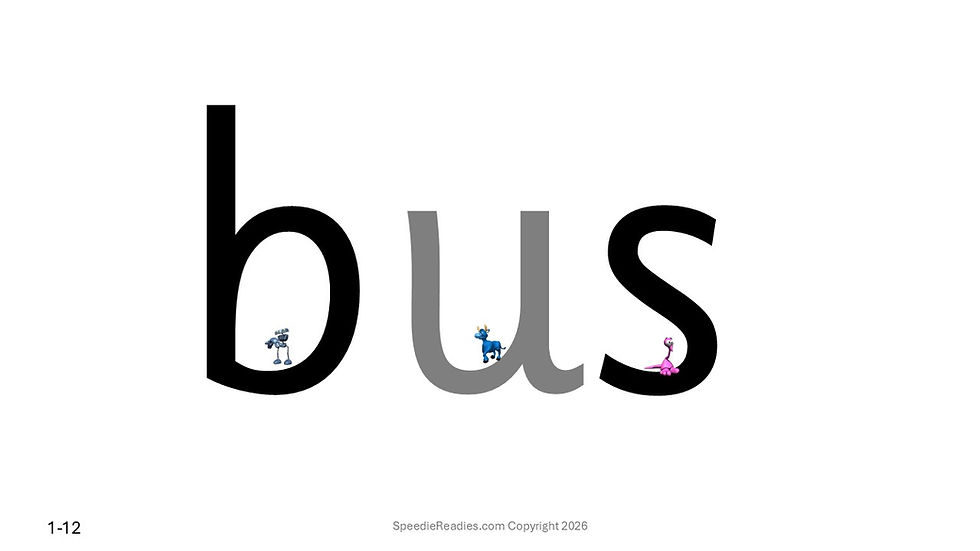
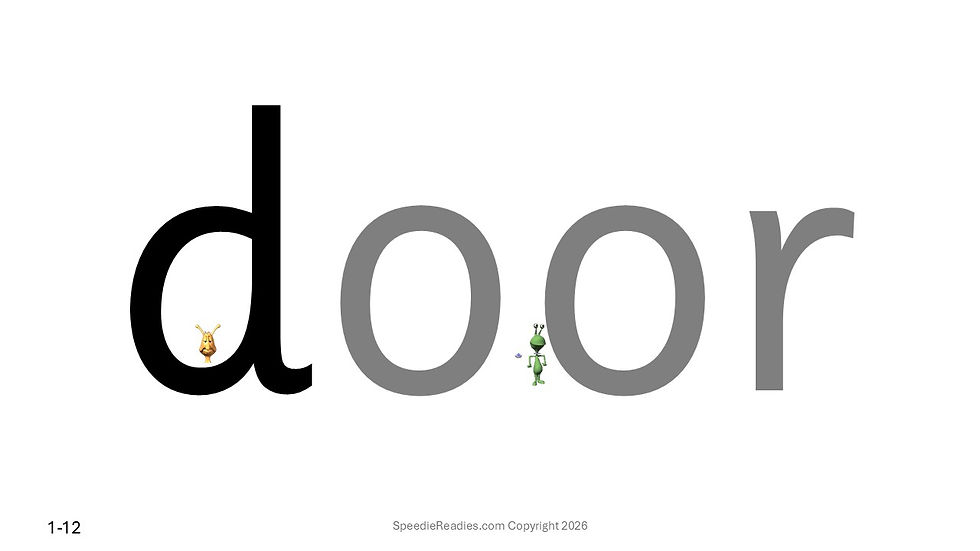
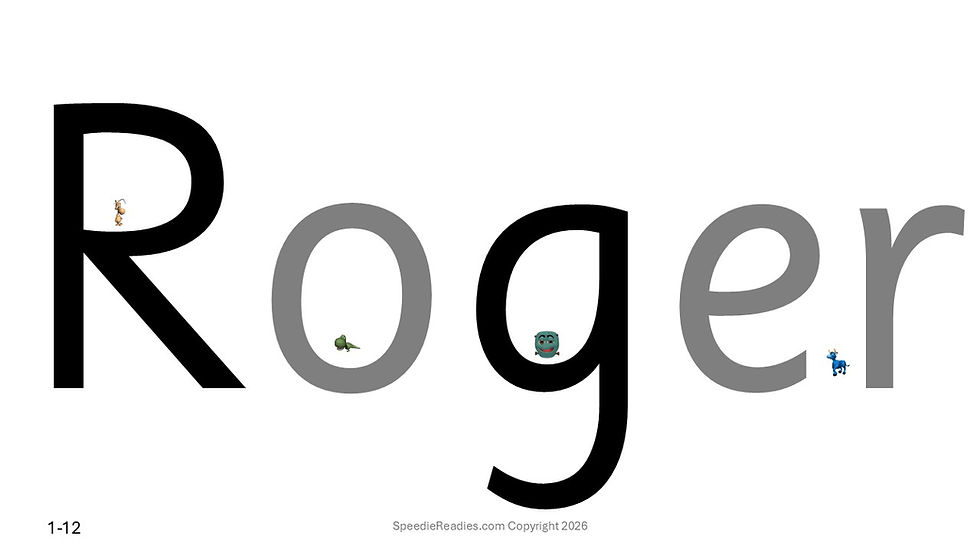
Speech Sound Mapping is like chocolate to pattern seeking brains!
Amari learns to map words in both directions!
Bidirectional word mapping matters because children need to connect speech and print in both directions. Reading involves looking at print and connecting it to spoken language (print-to-speech), while spelling involves hearing spoken language and connecting it to print (speech-to-print). When both pathways are strengthened together, the brain begins storing words efficiently for automatic reading and spelling through self-teaching.
You can learn to do this! Get started with the 90 Minute Show the Code course
Amari's Mummy knows how to Show the Code and also guide his orthographic learning from speech-to-print AND print-to-speech, so that his brain quickly begins 'self-teaching'. The brain already knows spoken language, we connect it to print. You can learn how to do this too! Your child will not only read early and with confidence, but enjoy this special time with you.



Don’t wait until they start school. They may not get the personalised learning journey they need, or experience joy while learning phonics in a whole-class setting.
I’m leading a movement to reform phonics instruction. I’m not anti-phonics, far from it. I’m focused on making it work for every child by connecting letters and sounds through word mapping, so children can move into self-teaching and begin discovering the code for themselves, with a clear purpose: to read and to write.

Don’t wait until they start school.
When children start school in England, they are taught through a whole-class synthetic phonics programme. This is mandated.
These programmes teach a core set of around 100 grapheme–phoneme correspondences, with the expectation that children will use this knowledge to work out the rest of the code for themselves.
Some children do. But at least 1 in 5 struggle to make that transition. They may not retain or apply what they’ve been taught, and can quickly fall behind without the right support.
At the same time, another 1 in 5 are capable of moving ahead. They are held back by the pace and repetition of whole-class teaching, despite being ready to progress.
I understand that parents and teachers want a programme they can follow. You will soon be able to simply work through the books, with activities that support those books.
But the journey to get started depends on the child.
The groundwork matters more than you might realise, especially for the 1 in 5 at risk. We need to secure their phonemic awareness first and ensure they are confident using Phonemies®, as they will rely on them as a visual for sounds they may struggle to hear, order and blend, at least initially. That can be overcome.
Other children will move through this quickly. That difference is not about intelligence or oral language skills.
Every child needs a personalised learning journey.
Something you may not realise at first is that, although you can read, your brain has in some ways forgotten the work it did to get you there. You can decode and spell any as easily as and, many as easily as man, put as easily as cut. etc You can read The Chaos Poem! Children don't learn how to do that through explicit instruction.
I will show you how to ensure your child can do this without learning rules or memorising words. That means letting go of preconceived ideas about how reading and spelling should be taught. I’ll show you what phonics programmes are trying to achieve, but in a way that feels natural to even the youngest child’s brain.
Amari has just turned three, last week, and we will follow his journey. I’d love you to share yours too. The more we share, the easier it becomes to understand what is happening in children’s brains when learning is experienced as play.
This is about helping children move into the self-teaching phase as early as possible. When they can work out how speech and print connect, they begin building their own word bank, storing thousands of words during the most important years for learning to read, from birth to seven.
Your child will understand this, and you will understand this by watching them. Your job is to guide the process, learning with them. Let go of the idea of 'teaching' in the traditional sense, and embrace
Let’s work together to get your child reading and enjoying reading.
Amari has just turned 3. His Mummy is trained in Speech Sound Mapping, and understands how to Show the Code and map words in both directions.
Follow Amari's word mapping learning journey. He is able to SEE how speech and print connect within books. His brain will connect letters and sounds faster than with a phonics programme, as it will make more sense to a three-year-old.
The Story Peg People
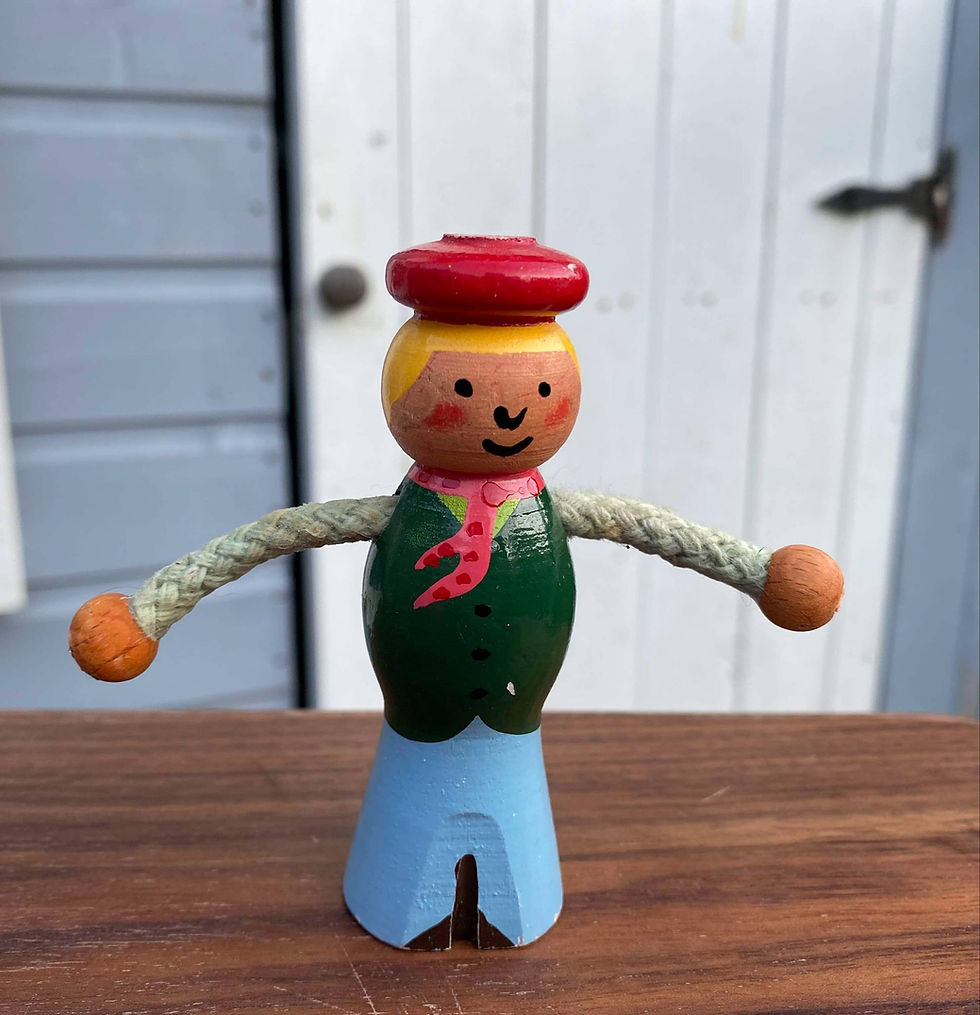


Very soon, he will be able to read books with regular text and no Code Overlay. Show the Code: Speech Sound Mapping.Less Teaching, More Guided Self-Teaching.
Toddlers learn the Monster Sounds really quickly!
That means they can start to 'follow the Monster Sounds to say the word' for any words that are Monster Mapped.
It's a much easier way to help young children connect speech and print because we can simply Show the Code!
Join the Show the Code Newsletter!
